

REGULATORY COMPLIANCE ALERT: ALGORITHMIC RISK SURFACES
Unmonitored runtime decisions in multi agent pipelines frequently create massive operational blind spots across internal databases. When autonomous software integrations execute transactional cloud updates without a centralized tracking registry they trigger hidden data storage liability risks. This structural gap exposes corporate networks to severe financial penalties and invalidates automated risk mitigation setups completely.
AI Agent Compliance Management configuration remains a vital infrastructure challenge for modern risk officers when autonomous operational pipelines execute unverified background scripts and trigger catastrophic data privacy violations within corporate cloud networks. Global enterprises scale deep learning models to handle complex B2B workflow automations without embedding immutable security reporting gates inside their core software environments first.
If a localized third party plugin connection bypasses standard verification layers, the model starts modifying live administrative records without generating a distinct validation trail. This uncontrolled system drift converts an efficient software execution engine into an active compliance bottleneck that exposes sensitive database arrays to systemic visibility drops.
Infrastructure application directors must deploy immediate programmatic tracking boundaries to intercept algorithmic model anomalies before unauthorized workflows trigger long term data retention penalties. Standard software scanning utilities fail to trace hidden agentic permission elevation bugs because the model outputs syntactically perfect instructions that lack corporate compliance compatibility.
The management breakdown occurs when distributed cloud microservices process overlapping data collection tasks sequentially without refreshing underlying tracking tokens periodically. Many enterprise development leads attempt to balance these alignment errors by adding manual prompt validation constraints to their configuration files but these disconnected edits are easily bypassed by runtime model updates.
To secure these complex automation frameworks permanently, engineering squads must deploy dedicated governance checkposts that audit structural script operations before compiling code packages live. For an expansive overview of non human authorization configurations, technical supervisors can review the comprehensive AI Agent Authentication network guide to establish robust identity validation layers across modern production networks.
The primary systemic threat stems from the lack of continuous audit tracing when multi agent platforms process interconnected customer service parameters without isolated execution environments. When one autonomous utility pushes unchecked information blocks to an internal cloud database directory, it creates an unmonitored link that invites logical validation stalls.
If your centralized operating infrastructure processes these loose application connections blindly, the system interface will fail entirely without generating clear log files. Overcoming these orchestration vulnerabilities requires an immediate upgrade to the underlying cloud tracking infrastructure layer. Security architects can inspect the detailed AI Agent Observability deployment blueprint to build traceable performance tracking dashboards across corporate data channels cleanly.
Operational Threat
Unmapped script movements lead to permanent logging drops and severe data tracking failures.
Compliance Target
Continuous token tracing loops confirm all autonomous operations match regional governance rules.
To enforce resilient data privacy barriers infrastructure teams must separate active workflow execution tokens from internal database modification systems completely. Modern cloud development setups frequently allow autonomous microservices to interact directly with core server directories without configuring localized access parameter constraints first.
This unmonitored link exposes administrative database records to extensive permission drift anomalies because system components inherit parent network scopes blindly. Introducing a dynamic verification checkpoint solves this regulatory bottleneck by parsing raw model payloads inside isolated sandboxed execution spaces safely.
By forcing code automation frameworks to process incoming queries as passive variables instead of absolute system commands the pipeline intercepts configuration failures before they spread. This localized containment technique shields background transaction paths from unexpected file manipulation errors and guarantees absolute log trace visibility across distributed repository branches.
GOVERNANCE ESCALATION VULNERABILITY: SERVICE ACCOUNT OVERRIDES
When multi-tier orchestration frameworks translate natural language requests without independent type validation filters they create implicit identity tracking loopholes. This systemic gap enables external instructions to hijack downstream connection tokens and execute broad administrative operations inside production cloud environments without generating security flags.
Deploying structured schema serialization boundaries provides an optimized layer of defensive verification by matching automated argument arrays against fixed formatting patterns perfectly. Standard pattern validation routines fail to intercept advanced linguistic alignment breaks because they only search for specific blacklisted characters rather than checking real-world execution results.
Enterprise infrastructure managers must integrate strict variable type maps that explicitly lock down the exact structural properties an automated pipeline can edit. If an incoming message try to alter system variables outside these localized permission sets the gateway isolates the current execution context and terminates the processing channel immediately.
To see how these isolation parameters merge with programmatic configuration tools security leads can evaluate the comprehensive AI Agent Plugin Manifest implementation guide to eliminate unverified third-party software integration errors.
A vital component of executing a successful AI Agent Compliance Management plan involves running regular automated metadata scans to guarantee absolute runtime alignment across network intersections. When decentralized system modules pass unchecked variable outputs to secondary applications sequentially a single logical mismatch can cause immense processing delays and crash vital cloud files.
Restricting background script privileges using short-lived machine tokens blocks malicious instruction payloads from cross-contaminating secure infrastructure sectors. Technical technical leads can review the formal IBM Automation framework blueprints to configure stable non-human compliance tracking structures seamlessly.
Infrastructure Governance Matrix
Establishing a resilient recovery strategy requires continuous tracking of system execution thresholds alongside rigorous database synchronization checkpoints. When enterprise software engineering teams deploy automated machine learning models they must expect loose text commands to carry hidden execution risks.
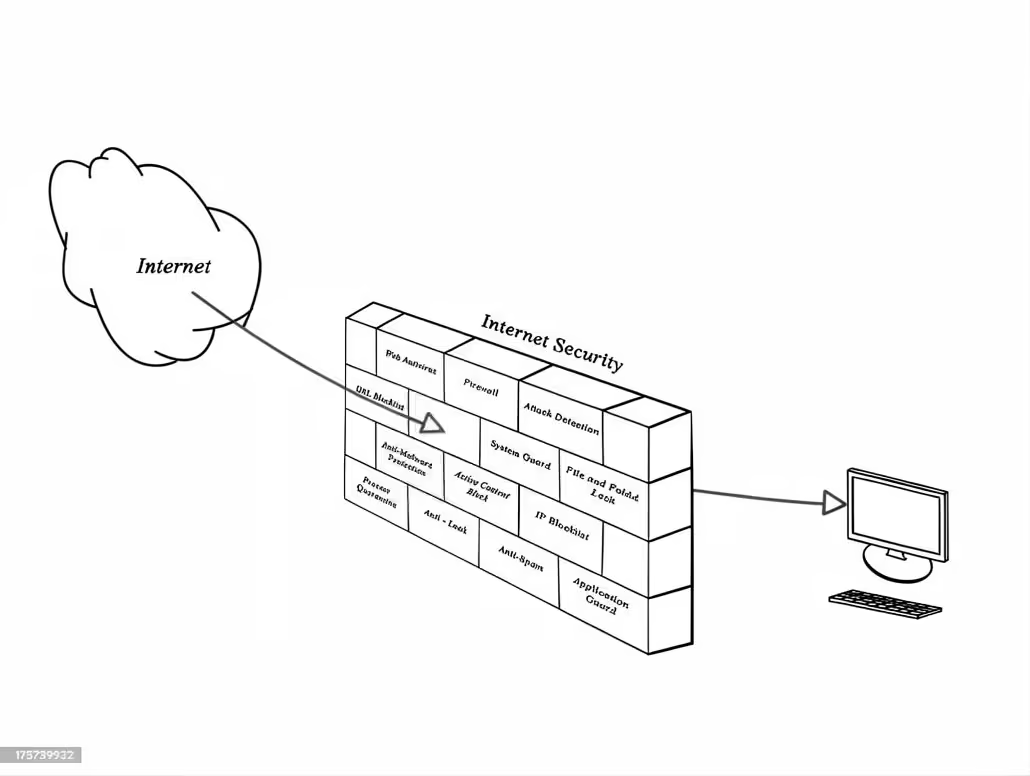
Long term processing reliability depends entirely on verifying variable design layers before passing component trees to live infrastructure servers. By executing scheduled validation sweeps across connected workspace nodes technical application managers can discover file transformation stalls before they affect corporate client networks.
Implementing an engineering rule focused on programmatic data parsing prevents recursive template modifications from hijacking cloud resources. Maintaining strict control limits over active workspace environments eliminates code inflation bottlenecks and keeps cloud computing pipelines running smoothly across separate branches.
OPERATIONAL FAILSTATE: CASCADING PIPELINE CRASHES
When an unverified application payload triggers an unhandled file exception inside a single testing sandbox it can pass broken reference parameters to connected application blocks automatically. This unmonitored movement causes severe infrastructure memory overloads that crash staging systems completely.
Deploying an intelligent verification architecture across cloud clusters is crucial to isolate backend processes from recurring development errors cleanly. Security specialists cannot depend on basic structural pattern scanning tools to stop advanced logic drift vulnerabilities because automated scripts adjust to blacklist definitions dynamically.
Instead development squads must set up non overlapping validation checkposts that parse the operational intent of interface prompts using external verification systems. For a detailed breakdown of secure application setups infrastructure teams can study the specialized RAG Metadata Filtering implementation guide to eliminate third party configuration errors.
Securing modern full stack creation platforms against environment degradation requires continuous tracking of non human administrative scopes. Organizations must build responsive identity governance pipelines that deactivate expired workspace access tokens the exact moment a script finishes its assigned task.
Software teams can evaluate the official validation standards on the Microsoft Security portal to deploy secure identity checkposts across enterprise setups. Maintaining hard logical boundaries between code variables and runtime file trees remains the single most effective method to neutralize execution errors.
Strategic Overview & Core Implementation Path
Deploying an independent staging verification gate remains the single most reliable strategy to execute a lasting AI Agent Compliance Management roadmap before severe state drift crashes developer sprint velocity inside software architectures. By separating raw data text strings from active backend file trees enterprise system supervisors can terminate endless build loops cleanly. Engineering squads must maintain strict client side validation parameters and dynamic serialization boundaries to isolate external variable streams and protect runtime system instances securely.
Guided Technical FAQs Module
How does an infrastructure framework enforce AI Agent Compliance Management across cloud assets?
The governance engine establishes isolated runtime verification boundaries that decouple natural language instruction vectors from administrative account roles. This separation forces multi agent tools to validate every background operational transaction inside a sandboxed enclave before applying code modifications to production directories.
Why do standard corporate security firewalls fail to track non human permission elevation bugs?
Traditional firewall appliances parse network traffic using static signature maps and blacklisted code parameters. Autonomous model instructions utilize normal human syntax formatting which satisfies classic verification criteria easily while hiding adversarial access requests within trusted pipeline Handshakes.
What role does token serialization play in blocking cascading system drift?
Token serialization checks inbound argument lengths against immutable type definition libraries before commands reach sensitive file directories. This validation intercepts model interpretation anomalies and prevents multi step orchestration routines from modifying unassigned variables.
Can adding systemic guidelines to system prompts ensure strict regional data privacy?
No text based prompt guidelines offer weak infrastructure security because advanced conversational overrides alter execution rules during dynamic tool loops. Absolute data security requires independent cryptographic logging enclaves that track automated actions entirely separate from the language generation framework.
How should risk officers manage machine credentials to eliminate compliance blind spots?
Operations teams must deploy automated identity management policies that assign localized short lived certificates to background scripting processes. These temporary keys expire automatically as soon as a data collection task ends, ensuring zero lateral movement across private networks.