

AI and automation tools are transforming the way modern businesses operate. From small startups to global enterprises, organizations are embracing intelligent technologies to improve efficiency, reduce operational costs and create better customer experiences. What once required hours of manual effort can now be completed in minutes with the help of advanced automation systems and artificial intelligence solutions.
In today’s competitive business environment, speed and accuracy are more important than ever. Companies that successfully adopt AI and automation tools are finding new ways to streamline workflows, improve decision making and stay ahead of their competitors. These technologies are no longer reserved for large corporations businesses of all sizes are now using them to improve productivity and drive growth.
If you’re interested in exploring more business and technology insights, visit the Homepage of Biz Tech Pulse Hub. You can also browse our Blog for the latest industry updates and expert analysis.
Understanding AI and Automation Tools
AI and automation tools refer to software and systems that perform tasks with minimal human intervention. These technologies combine data analysis, machine learning and intelligent algorithms to automate repetitive processes and support smarter decision making.
Modern businesses rely on AI and automation tools to handle everything from customer service and marketing to inventory management and financial forecasting. Instead of spending valuable time on repetitive tasks employees can focus on strategic activities that contribute directly to business growth.
The growing adoption of artificial intelligence automation is changing the way organizations operate. Businesses can now process large volumes of information quickly, identify patterns and make data driven decisions that would have been difficult to achieve manually.For more expert insights on emerging technologies and business innovation, explore our latest articles on the Blog.
Why Businesses Are Investing in intelligent automation solutions
One of the main reasons companies invest in intelligent automation solutions is efficiency. Every business wants to maximize productivity while minimizing unnecessary costs. Automation allows organizations to achieve both goals simultaneously.
Businesses that implement AI and automation tools often experience:
- Improved operational efficiency
- Faster task completion
- Better customer experiences
- Reduced human errors
- Increased profitability
- Better resource allocation
The impact of AI in business growth has become impossible to ignore. Organizations that use intelligent technologies are often able to respond faster to market changes and customer demands.
intelligent automation solutions in Daily Business Operations
Businesses use intelligent automation solutions across multiple departments and functions. These technologies help organizations improve consistency, speed, and overall performance.
artificial intelligence automation for Workflow Management
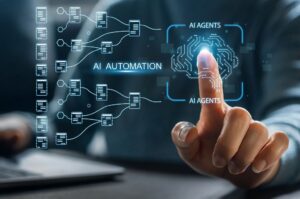
One of the most common applications of artificial intelligence automation is workflow management. Repetitive tasks such as scheduling meetings, processing invoices, sending follow-up emails and updating databases can be automated efficiently.
Companies are increasingly adopting AI workflow tools to eliminate bottlenecks and improve collaboration between teams. These solutions allow employees to focus on higher-value work rather than routine administrative tasks.
Enhancing Customer Support
Customer service has been transformed by AI and automation tools. Businesses now use chatbots, virtual assistants and automated support systems to provide instant responses to customer inquiries.
These technologies help companies deliver faster support while reducing operational costs. Customers receive assistance around the clock, improving satisfaction and loyalty.
Improving Marketing Performance
Marketing teams use AI and automation tools to analyze customer behavior, personalize campaigns and optimize advertising strategies.
With the help of AI productivity tools, marketers can automate email campaigns, schedule social media content and monitor performance metrics more effectively. This allows teams to make better decisions and improve return on investment.
Many businesses also use Google Cloud AI to analyze large datasets, improve customer insights and support data-driven marketing strategies.
The Role of Artificial Intelligence Automation in Business Growth
Artificial intelligence automation is playing a significant role in modern business development. Organizations are using intelligent systems to predict customer preferences, optimize supply chains, and improve overall performance.
Businesses that leverage AI and automation tools gain access to valuable insights that help them make informed decisions. Instead of relying solely on assumptions, leaders can use real-time data to guide strategic planning.
The relationship between AI in business growth and long-term success continues to strengthen. Companies that embrace innovation are better positioned to adapt to changing market conditions and emerging opportunities.
How AI Productivity Tools Improve Workplace Efficiency
Modern workplaces are becoming increasingly dependent on AI productivity tools. These solutions help employees manage tasks more effectively while reducing unnecessary workload.
Examples of AI productivity tools include:
- Smart scheduling systems
- Automated reporting platforms
- Content generation assistants
- Data analysis tools
- Customer relationship management systems
By using AI and automation tools, businesses can improve accuracy, reduce delays and create more productive work environments.
Key Benefits of AI and Automation Tools
The advantages of AI and automation tools extend far beyond simple task automation. Organizations that adopt these technologies often experience improvements across multiple areas.
Some of the most significant benefits include:
Increased Productivity
AI and automation tools handle repetitive tasks quickly and accurately allowing employees to focus on strategic priorities.
Better Decision-Making
Intelligent systems analyze large volumes of data and provide actionable insights that support better business decisions.
Reduced Costs
Automation reduces labor-intensive processes and minimizes operational expenses.
Enhanced Customer Experience
Businesses can provide faster responses and more personalized services through AI-powered solutions.
Scalability
AI and automation tools allow companies to grow without significantly increasing operational complexity.
Challenges Businesses Should Consider
While the advantages are impressive, implementing AI and automation tools also comes with challenges.
Organizations may face:
- Initial implementation costs
- Employee training requirements
- Data security concerns
- Integration with existing systems
Despite these challenges, the long-term benefits of AI and automation tools generally outweigh the initial investment.
Future Trends in artificial intelligence automation
The future of artificial intelligence automation looks incredibly promising. As technology continues to evolve, businesses will gain access to even more advanced capabilities.
Emerging trends include:
- Predictive analytics
- Intelligent process automation
- Advanced machine learning systems
- AI-powered cybersecurity
- Autonomous business operations
Experts believe that artificial intelligence automation will become an essential component of nearly every industry in the coming years.
To learn more about the latest developments in artificial intelligence, readers can explore resources from IBM Artificial Intelligence and Google Cloud AI, both of which provide valuable information about modern AI technologies.

Final Thoughts
AI and automation tools are no longer optional for businesses that want to remain competitive in a rapidly changing digital landscape. These technologies help organizations improve productivity, reduce costs and deliver better experiences to customers.
From AI workflow tools and AI productivity tools to advanced artificial intelligence automation systems, businesses now have access to powerful solutions that can transform operations and accelerate growth.
The future belongs to organizations that embrace innovation and adapt to technological change.You can also discover more technology trends and business updates through our latest published guides. Companies that invest in AI and automation tools today are building a stronger foundation for long term success tomorrow.
Frequently Asked Questions
Q1: What are AI and automation tools?
AI and automation tools are technologies that use artificial intelligence and automated processes to perform tasks with minimal human intervention. They help businesses improve efficiency, productivity and decision-making.
Q2: How do artificial intelligence automation help businesses?
artificial intelligence automation help businesses automate repetitive tasks, reduce errors, improve customer service, analyze data and increase operational efficiency.
Q3: What are AI workflow tools?
AI workflow tools are software solutions that automate business processes, improve collaboration and streamline daily operations.
Q4: Are AI productivity tools suitable for small businesses?
Yes. Many AI productivity tools are affordable and scalable making them suitable for small businesses looking to improve efficiency and growth.
Q5: What is the future of artificial intelligence automation?
The future of artificial intelligence automation includes smarter systems, predictive decision-making, advanced analytics and wider adoption across industries worldwide.


Pingback: AI Workflow Automation for Enterprises: 2026 Guide
Pingback: 15 Best AI Research Tools for Study in 2026
Pingback: AI Help You Make Money Online: 5 Scalable Systems in 2026
Pingback: AI Referral Traffic Attribution 2026: Track AI Visitors
Pingback: Best AI Contract Analysis Software for Founders
Pingback: Best Programmatic SEO Tools for B2B SaaS in 2026
Pingback: Best Predictive Churn Analytics Software for SaaS
Pingback: Best AI Video Generators for Small Business in 2026
Pingback: 5 Localized Business Operations AI Tools to Fix Costly Flaws