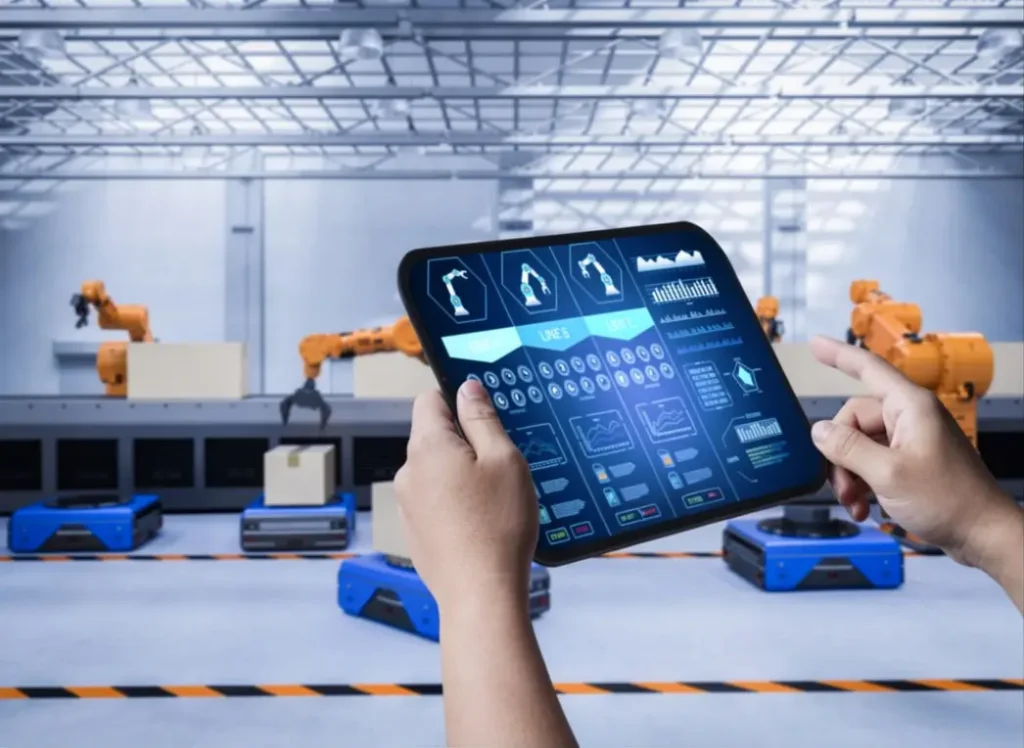

Running out of a high demand product or filling a warehouse with slow moving inventory can quickly turn profitable operations into expensive problems. Every inventory decision affects cash flow customer satisfaction, warehouse efficiency and overall business performance. As supply chains become more complex and customer expectations continue to rise, relying on spreadsheets or historical sales data alone is no longer enough. Businesses need faster, more accurate insights to predict demand, optimize stock levels and respond to market changes before they impact revenue.
This is where AI Inventory Management is changing the way modern businesses operate. By combining machine learning, predictive analytics and real time inventory data AI helps organizations forecast demand more accurately, automate replenishment decisions, reduce waste and improve inventory visibility across the entire supply chain. Instead of reacting to shortages or excess stock businesses can make proactive decisions based on data driven insights.
This guide explains how AI Inventory Management works its business benefits, implementation strategies, common challenges and the best practices for maximizing inventory performance in 2026. Whether you manage a retail business, warehouse, manufacturing operation or e-commerce store, you’ll learn practical strategies to build a smarter, more efficient and cost effective inventory management system.
Why AI Inventory Management Has Become Essential for Modern Businesses
Inventory has always been one of the largest operating costs for retailers, manufacturers, distributors and e-commerce businesses. Even small inventory mistakes can create a chain reaction across the entire business. Overstock ties up working capital and increases storage expenses, while stockouts lead to missed sales, delayed orders and frustrated customers. As product demand changes more frequently than ever traditional inventory planning methods are struggling to keep pace.
AI Inventory Management helps businesses replace guesswork with real time intelligence. Instead of relying only on historical sales reports AI continuously analyzes purchasing patterns, seasonal trends, supplier performance, inventory movement and changing customer demand. This allows businesses to respond faster maintain healthier stock levels and make inventory decisions with greater confidence.
📈 Business Insight
Inventory is more than a warehouse metric—it directly affects cash flow, customer satisfaction, operational efficiency and business profitability. Better inventory decisions often create measurable improvements across the entire organization.
Another major advantage is visibility. Modern businesses rarely manage inventory from a single location. Products may move between warehouses, retail stores, fulfillment centers and online marketplaces simultaneously. AI Inventory Management provides a unified view of inventory activity helping teams identify shortages, excess stock and replenishment opportunities before they become costly business problems.
Business Challenges Solved by AI Inventory Management
✅ Key Takeaway
Businesses no longer gain a competitive advantage simply by carrying more inventory. They succeed by maintaining the right inventory, in the right location, at the right time. That is exactly where AI Inventory Management delivers measurable business value.
How AI Inventory Management Optimizes Inventory Decisions
Traditional inventory planning depends heavily on historical sales reports and manual forecasting. While this approach may work in stable markets, it often struggles when customer demand changes unexpectedly. AI Inventory Management continuously analyzes live business data to identify patterns that humans can easily overlook. Instead of waiting for inventory problems to appear, businesses receive recommendations before shortages or excess stock affect operations.
Modern AI systems evaluate multiple variables at the same time including sales trends, seasonal demand, supplier lead times, purchase frequency, promotions and inventory turnover. This broader analysis allows businesses to maintain healthier stock levels while reducing unnecessary purchasing decisions. As market conditions change recommendations automatically adapt without requiring manual recalculations.
📊 Inventory Intelligence
The goal of AI is not to hold more inventory. The goal is to keep the right products available while minimizing excess stock, storage costs and lost sales opportunities.
How AI Improves Inventory Planning
These capabilities deliver the greatest value when they work together rather than independently. For example, accurate demand forecasting becomes even more effective when combined with automated replenishment and real time inventory visibility. Businesses that integrate these capabilities can improve inventory accuracy, reduce unnecessary stock and make faster purchasing decisions.
Businesses implementing intelligent inventory systems often improve operational efficiency by combining inventory optimization with broader automation initiatives. Our guide on Small Business AI Implementation explains how organizations can successfully integrate AI into day-to-day business operations without disrupting existing workflows.
💡 Expert Recommendation
Before investing in new warehouse capacity, analyze whether AI driven inventory optimization can improve existing stock utilization. Many businesses unlock significant savings by improving inventory accuracy rather than increasing storage space.
How to Implement AI Inventory Management Successfully
Many AI inventory projects fail because businesses invest in software before preparing their inventory data and operational processes. Successful implementation starts with understanding current inventory performance, identifying operational bottlenecks and setting measurable business objectives. AI should improve an existing process—not compensate for a poorly managed one.
Begin by reviewing inventory accuracy, stock turnover, supplier lead times and demand variability. Clean, reliable data allows AI Inventory Management to generate accurate recommendations from the beginning. Businesses should also define measurable KPIs such as inventory turnover stockout rate, carrying costs and forecast accuracy to evaluate success after deployment.
🚀 Implementation Tip
Start with one warehouse, product category or business unit before expanding across the organization. A phased rollout reduces operational risk while allowing teams to validate AI recommendations with real business data.
AI Inventory Management Implementation Roadmap
Implementation should never end after deployment. Inventory patterns change with customer behavior, supplier performance and seasonal demand. Regularly reviewing AI recommendations and operational KPIs ensures AI Inventory Management continues delivering accurate forecasts and measurable business improvements as market conditions evolve.
Organizations implementing AI-powered inventory systems can also explore guidance from IBM Supply Chain to understand how AI, automation and cloud technologies improve inventory visibility and supply chain performance.
Key Metrics to Measure AI Inventory Management Success
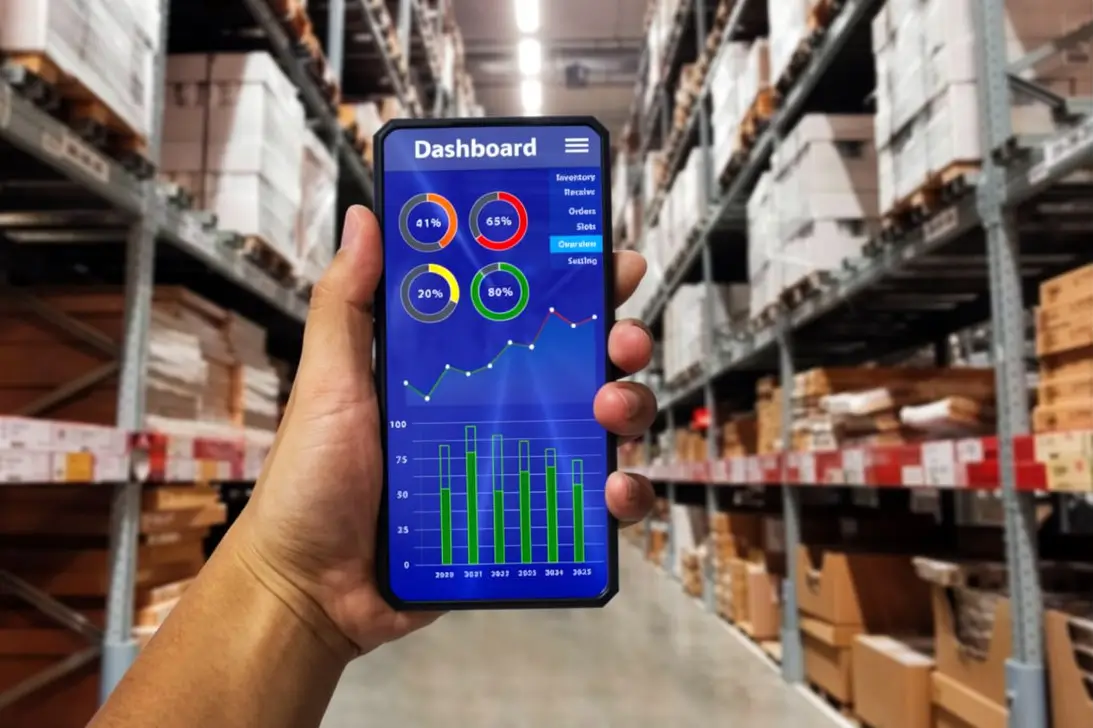
Implementing an AI solution is only the first milestone. The real value of AI Inventory Management is measured by business outcomes, not software adoption. Organizations that track the right performance indicators can quickly identify whether AI is improving inventory decisions or simply generating more data without measurable results.
Instead of monitoring dozens of operational reports businesses should focus on a small group of KPIs that directly influence profitability, customer service and inventory efficiency. These metrics create a clear picture of how AI Inventory Management is performing and where additional optimization is needed.
📊 Executive Insight
If a KPI doesn’t support a business decision, it shouldn’t be part of your inventory dashboard. Focus on metrics that improve profitability, customer satisfaction and operational efficiency.
Essential AI Inventory Management KPIs
These KPIs should be evaluated together instead of individually. A higher inventory turnover may seem positive but if it also increases stockouts, customer satisfaction and revenue can decline. Reviewing multiple performance metrics together provides a clearer picture of how AI Inventory Management is improving overall business performance.
Businesses using AI Inventory Management achieve the best results when inventory metrics are reviewed alongside broader business performance. Our guide on AI FinOps explains how operational improvements and cost optimization work together to maximize long term ROI from enterprise AI investments.
💡 Best Practice
Review inventory KPIs monthly instead of waiting for quarterly reports. Smaller adjustments made consistently often prevent larger inventory problems and improve forecasting accuracy throughout the year.
Common AI Inventory Management Mistakes Businesses Should Avoid
Even the most advanced AI platform cannot improve inventory performance if it is built on poor data, inconsistent processes or unrealistic business expectations. Many implementation failures are caused by operational decisions rather than limitations of the technology itself. Recognizing these mistakes early helps businesses maximize the value of AI Inventory Management while avoiding unnecessary costs and operational disruptions.
Organizations should view AI Inventory Management as a continuous optimization strategy instead of a one time software deployment. Regular monitoring, accurate inventory records and cross functional collaboration are essential for maintaining reliable forecasting and inventory performance over time.
⚠ Executive Warning
AI can improve inventory decisions but it cannot correct inaccurate inventory records, inconsistent purchasing policies or weak operational discipline. Better data always produces better AI recommendations.
Common Mistakes and Better Business Decisions
Inventory optimization works best when purchasing decisions are also data driven. Businesses can explore our guide on AI Procurement Solutions to learn how AI improves procurement planning, supplier management and purchasing efficiency alongside inventory operations.
Businesses looking to improve inventory planning often achieve even better results by combining AI with reliable demand forecasting and cloud based operational systems. According to the Gartner organizations that continuously improve data quality and operational processes are more likely to realize long term value from AI driven business initiatives.
✅ Final Expert Tip
Treat AI Inventory Management as an ongoing business capability rather than a software purchase. Organizations that continuously refine inventory data, monitor KPIs and improve operational processes consistently achieve better forecasting accuracy, lower inventory costs and stronger long-term business performance.
Conclusion
Managing inventory has become far more complex than simply tracking stock levels. Businesses must balance changing customer demand, supplier reliability, operational costs and service expectations while making faster decisions than ever before. AI Inventory Management provides the intelligence needed to transform inventory planning from a reactive process into a proactive business strategy. By using real time data and predictive insights, organizations can improve inventory accuracy, reduce unnecessary costs and maintain the right products where customers need them most.
The greatest competitive advantage does not come from carrying more inventory—it comes from managing inventory more intelligently. Businesses that combine high quality data, continuous performance monitoring and AI driven decision-making are better prepared to improve cash flow, strengthen supply chain resilience and scale operations with confidence. Whether you operate a retail business, manufacturing facility, distribution network or e-commerce store, investing in AI Inventory Management today creates a stronger foundation for long term operational efficiency and sustainable business growth.
🎯 Executive Takeaway
Successful inventory management is no longer about holding more stock. It is about making faster, smarter and data driven inventory decisions that improve profitability, reduce operational risk and deliver a better customer experience.
Frequently Asked Questions
1. What is AI Inventory Management?
AI Inventory Management uses artificial intelligence, machine learning and predictive analytics to help businesses monitor inventory, forecast demand, automate replenishment and optimize stock levels. It enables organizations to make faster data driven inventory decisions while reducing manual effort and operational costs.
2. How does AI improve inventory forecasting?
AI analyzes historical sales, seasonal trends, customer purchasing behavior, supplier lead times and real time business data to predict future demand more accurately. This helps businesses maintain optimal inventory levels, reduce stock shortages and avoid excess inventory.
3. Which businesses benefit the most from AI Inventory Management?
Retailers, e-commerce companies, manufacturers, wholesalers, distributors and businesses managing multiple warehouses can benefit significantly. Any organization that handles large inventories or experiences changing customer demand can use AI to improve inventory accuracy and operational efficiency.
4. Can small businesses implement AI Inventory Management?
Yes. Many cloud based inventory platforms now provide AI powered forecasting, inventory optimization and automated replenishment features without requiring large enterprise budgets. Small businesses can start with a single warehouse or product category and expand as their operations grow.
5. What are the biggest challenges when implementing AI Inventory Management?
The most common challenges include poor inventory data quality, inconsistent operational processes, unrealistic expectations and limited employee adoption. Preparing clean data, defining measurable KPIs and implementing AI in phases can significantly improve project success.
6. How can businesses measure the success of AI Inventory Management?
Businesses should monitor KPIs such as inventory turnover, forecast accuracy, stockout rate, inventory carrying costs and order fulfillment performance. Regularly reviewing these metrics helps determine whether AI is improving operational efficiency, reducing costs and supporting long term business growth.