

Failing to deploy a strategic post quantum cryptography migration checklist leaves internal enterprise encryption protocols vulnerable to upcoming quantum computing threat vectors that can breach traditional network perimeters cleanly. Experienced developers know how painful it is when live streaming connections suddenly drop or when legacy data encryption standards face critical processing limits, making standard security configurations entirely useless against next-generation malicious code decryption schemes. Without an active, audited transition roadmap shielding your cloud databases from algorithmic vulnerabilities, proprietary enterprise data walls will consistently remain exposed to rapid, unauthorized lateral penetration pipelines.
Understanding the Post-Quantum Cryptography Migration Checklist and Stalls
Modern cloud hosting networks assign very strict processing budgets to standard web function containers to maintain environment security balance across shared infrastructures. When a frontend panel requests data from an upstream large language model, your backend handler opens a live connection route. If the text generation sequence takes longer than the host platform allows, the security perimeter cuts the transmission path immediately.
This early connection drop leaves public client dashboards frozen in an infinite waiting loop because termination tokens vanish during transit. To protect data assets from unexpected system cuts, platform engineers must calibrate their endpoints using established ai model monitoring strategies. Mapping execution targets properly ensures that web tools load completely without stalling mid-process, directly helping prevent broken sessions during high-stakes actions like user checkouts, cleanly aligning with a sustainable stripe webhook timeout fix deployment blueprint.
The Migration Readiness Axiom
You cannot secure what your technical infrastructure cannot trace. Shifting your organization toward quantum-safe environments relies entirely on building continuous asset observation networks rather than relying on manual file tracking spreadsheets.
Identifying Multi-Tenant Environment Blocks
When dozens of separate vendor API keys attempt to edit the identical application directory concurrently during peak usage hours, structural schema drift introduces severe security hazards. If an unmanaged workflow script runs unvalidated database modifications without passing through proper authorization checkpoints, the active main thread freezes instantly. This backend blockage stops web applications from displaying clean user replies, corrupting stable content operations completely.
To safeguard your distributed connections early, corporate engineering forces must decouple their live data transit pipelines from legacy software packages entirely. Implementing automated masking filters inside your sandboxed staging spaces protects primary cloud directories from processing failures during long token generation sequences. This vigilant approach ensures that your virtual platforms keep loading completely without stalling mid-process, making it significantly easier to eliminate render blocking requests wordpress setups face before deploying high-impact system updates to live production drives.
Evaluating Vendor Readiness and Cryptographic Vulnerability Layers
Deploying a comprehensive post quantum cryptography migration checklist requires a clear, strategic framework for analyzing external vendor integration layers. When your centralized application directory exchanges dynamic data metrics with third-party software structures, relying on unverified network handshakes creates severe perimeter risks. Engineering groups must force suppliers to disclose their exact quantum-safe roadmaps before renewing long-term cloud service level agreements cleanly.
To help platform directors assess infrastructure risks and execute real-time operational decisions, the decision-oriented table below outlines the core cryptographic vulnerability families that teams must audit:
| Cryptographic Asset Layer | Technical Evaluation Mode | Systemic Vulnerability Mode | Actionable Engineering Gate |
|---|---|---|---|
| Public Key Infrastructure | Scans root certificates and dynamic network handshake keys | Asymmetric factoring leaks | Isolate affected staging endpoints inside sandboxed networks |
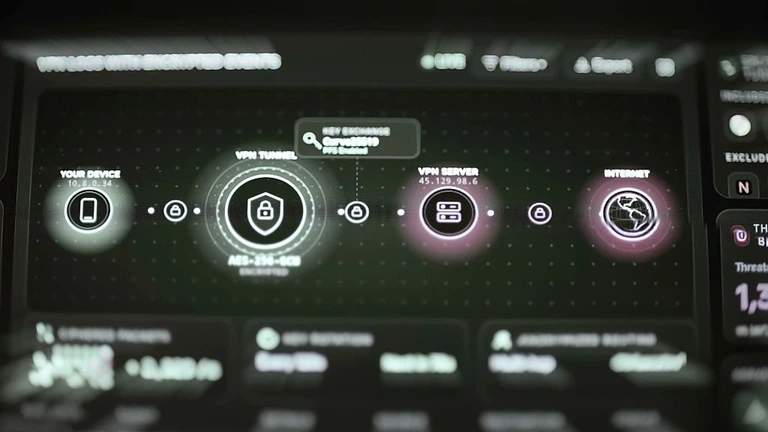
| Data Transit Tunnels | Audits active transport layer security and corporate VPN routes | Harvest-now decrypt-later vectors | Deploy hybrid classical-quantum key exchange mechanisms |
| Stored Asset Vaults | Checks signature standards across global server databases | Silent schema configuration drifts | Implement traceable algorithmic validation schemas |
Structuring these compliance audits inside a centralized layout prevents tech organizations from wasting crucial development hours on messy manual spreadsheet reconciliations. When your monitoring tools present clear, cited verification trails directly inside the platform UI, security managers can implement high-stakes architectural updates with complete authority. This automated validation path ensures your data lifecycle boundaries run smoothly without creating unexpected database connection freezes or processing drops.
Executing Proactive Cryptographic Lifecycle Monitoring
Transitioning to quantum-resistant standards is a continuous data engineering requirement rather than a static one-time software update. As malicious threat actors change their tactics, unmanaged network endpoints become prime targets for automated sniffing scripts. Protecting your virtual assets requires an active middleware layer that monitors live connection states and tracks informational data flows around the clock cleanly.
Furthermore, technical directors can optimize backend application scaling by analyzing how different database query networks process active records. Connecting your data retention pipelines with comprehensive tracking software safeguards user identity metrics and reduces compounding data clutter over long-term operations. To discover more advanced data protection strategies and secure your internal communication paths, technology leads can explore our complete framework on maintaining absolute enterprise data security in GenAI era configurations smoothly to eliminate silent structural data leaks entirely.
Configuring Quantum-Safe Runtime Environments for System Architecture
To fully move security infrastructure into a resilient space and support post-quantum agility, you must explicitly declare a lightweight edge runtime context inside your API routing files. This minor structural modification shifts the execution layer away from heavy multi-tenant containers entirely, allowing your network layers to process active data transfers concurrently without running into serverless memory resource drops.
Add the following configuration code directly into your active directory (e.g., app/api/crypto-verify/route.ts) to deploy traceable algorithmic validation rules safely, keeping your post quantum cryptography migration checklist pipelines fully optimized for production traffic:
// Explicit directive to utilize globally distributed edge worker nodes
export const runtime = 'edge';

export async function POST(req: Request) {
  try {
    const payload = await req.json();
    const { keySignature, algorithmType } = payload;

    // Verify system validation parameters cleanly
    if (!keySignature || !algorithmType) {
      return new Response("Missing cryptographic validation tokens.", { status: 400 });
    }

    // Process secure hybrid key exchange mapping inside a sandboxed module
    return new Response(JSON.stringify({ status: "Signature verification green." }), {
      status: 200,
      headers: { "Content-Type": "application/json" }
    });
  } catch (error) {
    console.error("Cryptographic Processing Failure:", error);
    return new Response("Migration routine stalled.", { status: 500 });
  }
}
Engineering clusters must align these code integration perimeters with verified global data processing benchmarks to secure machine credentials securely. Incorporating automated validation steps into your deployment pipelines prevents unsecured data assets from leaking out during active user tasks. To discover more advanced security posturing and lock down machine keys cleanly, technical leads can explore our complete guide on how to configure identity security posture setups inside enterprise systems safely to block unauthorized command escalations effortlessly.
Furthermore, defensive project planning relies entirely on checking your active streaming endpoints against malicious network injections. Consulting the authoritative references published by the OWASP GenAI Security Project provides software publishers with verified defensive templates to protect backend data walls. Additionally, utilizing the official security standards found inside the NIST Cybersecurity Framework ensures your entire tech stack remains highly resilient against external threat vulnerabilities.
Conclusion
Bypassing tomorrow’s decryption risks requires moving away from static legacy tools and executing an evergreen **post quantum cryptography migration checklist** systematically across all core channels. Running complete cryptographic inventories, checking third-party vendor readiness, and migrating route handlers to globally distributed edge nodes removes severe operational blind spots entirely. Combined with robust perimeter tracking and automated validation layers, your enterprise platforms can maintain absolute data security and scale safely without facing unexpected infrastructure collapses.
Frequently Asked Questions
Q1: What is a post quantum cryptography migration checklist?
Ans: It is a structured technical framework designed to guide organizations through upgrading their encryption parameters. The process includes running an encryption audit, cataloging active certificates, evaluating third-party vendor readiness, and planning the migration to quantum-resistant algorithms.
Q2: Why must businesses begin planning for post-quantum encryption before 2027?
Ans: Malicious actors are currently executing “harvest-now, decrypt-later” tactics, where they capture and store encrypted corporate data transit files today to decrypt them later when quantum computing becomes widely accessible. Starting migration pilots early prevents long-term data tracking exposure.
Q3: What is schema configuration drift inside an active server database?
Ans: Schema configuration drift happens when unmanaged workflow tools modify database properties or required table structures without proper authorization checks. This background blockage corrupts stable directories, causing asynchronous webhook timeout failures and unexpected runtime errors.
Q4: How do automated serverless function retry blocks stop SaaS streaming timeout response cut-offs?
Ans: Retry blocks automatically intercept sudden network handshake drops or asynchronous processing stalls. By resending failed requests inside secure sandboxed modules, the tracking system recovers active billing logs smoothly without corrupting core internal database endpoints.
Q5: Can public automated scanners cause severe data privacy and security violations?
Ans: Yes, if you use standard open-source tools without strict protection parameters, your input code files can be compiled into public training datasets. To prevent critical corporate leaks, enterprise teams must strictly deploy premium platforms that guarantee complete data isolation.