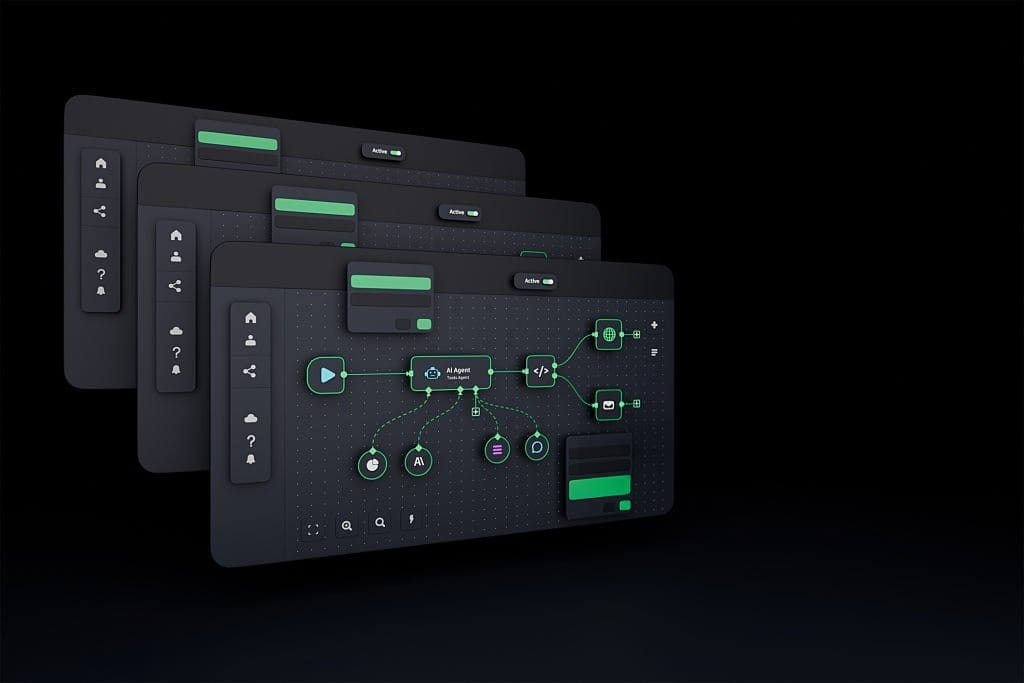

The barrier to entry for building commercial software platforms has officially collapsed. For decades, launching a digital startup required mastering complex backend syntax, managing memory leaks, and spending months debugging unoptimized network pipelines. Today, a massive paradigm shift known as Vibe Coding is completely transforming the tech industry. This term describes a modern engineering workflow where creators do not type code; instead, they describe their intent in plain natural language programming, review real-time live previews, and comfortably “vibe” while an underlying AI multi-agent cluster handles the structural compilation.
This rapid democratisation of software development marks a critical transition from mechanical instruction to high-level system architecture design. Consequently, non-technical founders, small business owners, and solo entrepreneurs can now construct scalable platforms in minutes using modern AI app builders without writing a single line of JavaScript. This shift shields your startup budget and helps you launch production-ready products ahead of competitors.
The Cloud Engine Ecosystem Powering Vibe Coding Frameworks
Operating a modern digital platform no longer requires you to maintain expensive physical office computers or slow local developer software environments. Today, the rise of specialized cloud infrastructures allows automated software generation to happen instantly inside isolated web spaces. When a founder uses high-performance autonomous code engines to build applications, the central system sets up a secure workspace behind the scenes in milliseconds. Utilizing a robust Vibe Coding methodology gives you the freedom to build production-ready software without manual configuration hoops.

Most non-technical creators do not see the massive infrastructure actions happening while they type their requests. The automated tool establishes active web containers that serve as a private testing sandbox for your business concept. Therefore, you do not need to download heavy coding applications or configure local terminal proxy paths on your machine. Every single asset is handled inside protected remote servers dynamically, which aligns perfectly with modern Vercel v0 UI Platform documentation structures.
Ultimately, this server-side execution layout changes how companies launch web applications. Engaging in consistent Vibe Coding routines reduces system architecture friction and ensures your workspace remains active without consuming local hardware memory. The cloud nodes push your live visual updates instantly to a tracking screen for rapid evaluation.
Lovable.dev vs Bolt.new Architecture Comparison
To choose the perfect platform for your upcoming commercial startup, you must understand how these tools handle live application files:
| Development Feature | Bolt.new Platform Layout | Lovable.dev Engine Setup |
|---|---|---|
| Relational Databases | Requires manual external API integrations. | Connects native PostgreSQL via Supabase instantly. |
| Frontend Frameworks | Focuses heavily on clean Next.js structures. | Utilizes high-speed Vite and React modules. |
| Error Debugging | Auto-fixes terminal installation drops. | Solves complex database schema mismatch logs. |
| Export Options | Provides direct links to StackBlitz boards. | Allows full GitHub repository synchronization. |
Every time you input an instruction, the cloud system adjusts your infrastructure parameters automatically. This approach completely eliminates compilation friction, allowing solo builders to launch production-ready layouts without hiring a full engineering department. By using these adaptive cloud networks, you protect your business from early development bottlenecks and keep your processing costs extremely low.
Eliminating Syntax Bottlenecks via Natural Language Programming
Traditional application development processes frequently hit costly roadblocks because human teams spend endless hours tracking minor coding errors manually. A single missing character or a mismatched path string can instantly crash a production server environment and stop business operations. Moving past these rigid coding models, modern enterprises are deploying intelligent multi-agent workflows to protect their digital systems from manual friction.
This automated approach utilizes a highly sophisticated layer of multi-agent orchestration working continuously behind the scenes. Choosing to manage your projects through Vibe Coding eliminates the need to rely on a single general artificial intelligence model. Instead, the system assigns distinct development tasks to specialized digital personas. For example, one internal agent focuses exclusively on database relations, a second agent styles the front user interface, and a third supervisor agent actively checks the background terminal logs for runtime errors.
Consequently, when a network drop or database timeout happens, you do not have to write manual troubleshooting scripts. The automated coordination layer instantly analyzes the error logs, runs file checks, and implements a system patch on autopilot. This process ensures your software remains functional around the clock without requiring constant oversight from senior database engineers.
Furthermore, deploying automated coordination networks completely changes how tech companies evaluate developer speed. Progress is no longer measured by the total lines of text typed into an editor window each day. Instead, operational leverage depends entirely on how quickly your system processes user intent into working product components. Transitioning to these autonomous pipelines shields your commercial budget and ensures continuous platform delivery. If you are experiencing technical stalls while initializing web container tasks, you can review our practical guide on how to fix Bolt.new sandbox deployment timed out errors cleanly to optimize your runtime parameters and clear background server bottlenecks.
Diagnostic Checkpoints for Successful Vibe Coding Workflows
Launching application features using modern no-code automation tools speeds up your development milestones immensely. However, creators must follow structured communication rules to prevent their cloud applications from running into processing errors. Running complex tasks inside browser environments requires an organized development path. Using high-performance visual development software works best when you build your project components sequentially.
To help you navigate your system setups cleanly and maintain maximum platform stability during a Vibe Coding session, follow these essential diagnostic steps:
- Isolate Your Component Prompts: Avoid asking the automated software engine to build a massive project all at once. Instruct the agent to build the user login database first, verify the setup, and then add the payment interface.
- Monitor the Internal Terminal Container: Watch the live terminal logs while the system installs your project files. Catching temporary package conflicts early prevents the background server from freezing during deployment phases.
- Execute Regular Build Resets: If your visual tracking preview becomes unresponsive, force-flush your site storage strings. Instructing your AI orchestrator to run a clean workspace rebuild instantly frees up your cloud memory limits.
- Audit Third-Party API Keys: Ensure your external database connection strings and secret environment tokens match your cloud configuration settings exactly to avoid system validation loops.
Following this structured troubleshooting framework helps you eliminate system loading errors and keeps your development pipeline running smoothly. By protecting your active cloud container from unoptimized code structures, you ensure a safe and responsive workspace layout. This clean process allows small business owners to deploy enterprise-grade digital tools without experiencing technical downtime.
Shift in Engineering Responsibilities: Is Coding Obsolete?
The sudden expansion of next-generation AI app builders prompts a critical question across the international tech sector regarding the survival of traditional programming jobs. While the mechanical act of typing repetitive lines of code is shrinking rapidly, the demand for deep computer engineering knowledge remains incredibly high. The industry is witnessing a structural shift where the primary duty of an application creator moves from manual coding to high-level platform design.
Adopting modern automated application engineering frameworks modifies how software development teams secure their backend systems. Engaging in systematic Vibe Coding workflows changes how engineers manage their code. Instead of spending valuable corporate hours writing basic database wrappers, engineers can focus entirely on structural integrity and cloud system optimization. This evolution allows software architects to deploy advanced safety protocols and manage distributed systems with far greater accuracy.
Consequently, high-level developers are shifting their daily focus toward three primary areas of technical management:
- System Security Hardening: Protecting core model training parameters and database access paths from malicious external manipulation scripts.
- Zero Trust Perimeter Setup: Building continuous validation gates across all cloud services to isolate corporate data from network intruders.
- Orchestration Alignment: Fine-tuning the primary logic loops of automated models to ensure prompt execution matches company guidelines perfectly.
Ultimately, this technological shift does not destroy the programming profession; rather, it elevates the engineer into an overseer of complex autonomous assets. By shielding small corporate budgets from expensive manual maintenance loops, this engineering evolution helps lean business teams expand their custom software capabilities on autopilot.
Final Thoughts: Emphasizing Strategic Vision Over Code Syntax
The transition toward natural language programming environments marks a permanent evolution in the global digital landscape. Success in building software is no longer determined by how many hours you spend memorizing programming languages or fixing server errors manually. Instead, the ultimate competitive advantage belongs to creators who possess a clear logical vision and a deep understanding of business workflows. Embracing this shift allows modern leaders to focus entirely on solving user problems while cloud nodes handle the technical execution.
Engaging with a consistent Vibe Coding development rhythm changes the growth trajectory for modern commercial brands. Solo entrepreneurs can now launch high-performance digital platforms smoothly without burning through early funding allocations. By treating autonomous models as specialized operational assets, your business can maximize its overall output speed cleanly. Position your brand at the forefront of this industrial shift to permanently optimize your development pipelines and scale your operations safely.
Frequently Asked Questions
Q1: What exactly is Vibe Coding?
Answer: Vibe coding is a modern approach to software development where software platforms are built purely through natural language dialogue with an AI system, allowing creators to guide product architecture without manually writing code text strings.
Q2: Can I build complex full-stack apps with Vibe Coding?
Answer: Yes. Next-generation platforms integrate active relational databases, user authentication routes, and payment modules seamlessly within cloud containers, making it easy to launch scalable business tools without background engineering experience.
Q3: What are the main limitations of Vibe Coding?
Answer: Large automated builds can occasionally hit context memory boundaries or get stuck in recursive rendering loops if your prompts are too vague or if multiple package modules conflict during the auto-generation phase.
Q4: Do I need to pay for external hosting during visual development setups?
Answer: No. High-performance cloud infrastructure engines provision integrated virtual container servers directly inside your web browser window, allowing you to preview your interactive apps instantly without acquiring external storage spaces.
Q5: How can solo developers protect their automated platforms from compilation stalls?
Answer: Solo developers must isolate their design instructions into small, separate component prompts. In addition, executing a workspace cache reset keeps the cloud background pipeline active and clears out-of-context script locks before they cause a layout crash.