

The rapid adoption of AI code assistants is fundamentally rewriting the operational blueprints of modern software engineering. In 2026, writing programming logic is no longer restricted to manual text configuration. Developers no longer spend hours on basic documentation lookups.
The integration of advanced AI coding tools has shifted from an experimental feature to a mandatory corporate standard. Global enterprise infrastructures now rely on these technologies. For tech startups digital agencies, and independent engineers, survival requires adopting these solutions.
Leveraging these smart developer platforms is the only way to accelerate system delivery speeds. It ensures you maintain flawless deployment standards in a competitive digital marketplace.
The Evolution of Software Engineering Platforms
To understand this transformation, we must analyze legacy autocomplete tools. Traditional software development tools were strictly limited to basic syntax completions. They simply matched function names from local libraries based on static, rule-based patterns.
Today, software environments are completely different. Technical teams utilize premium AI code assistants to perform deep developmental tasks:
- They analyze complex human intent in real time.
- They map intricate architectural frameworks instantly.
- They review system dependencies across multi-file codebases concurrently.
This shift has created a highly collaborative workspace. Software engineers can now describe complex features in simple, natural language. The underlying AI model then translates those ideas into clean source files.
Furthermore, these dynamic programming platforms learn continuously from repository updates. They adapt directly to a team’s internal formatting choices, naming conventions, and architectural preferences. As software structures become more dense, these autonomous developer tools act as a vital layer of support for scaling teams.
Bridging the Gap With Legacy Systems
Modernizing legacy internal applications remains a massive challenge for tech enterprises. Integrating ancient codebase frameworks into decentralized cloud architectures usually requires months of manual refactoring.
Fortunately, autonomous developer tools streamline this entire migration pipeline:
- They automatically identify deprecated syntax blocks.
- They recommend safe, cloud-native code updates.
- They write complex API integration layers autonomously.
This optimization significantly reduces technical debt. It allows companies to upgrade their systems without replacing stable core frameworks entirely.
Why Technical Teams Depend on AI Code Assistants for Productivity

The primary metric of success for any software engineering department is sprint velocity. Technical leads also focus heavily on systemic stability. Engineering executives now realize that deploying high-performance AI code assistants directly correlates with an immediate surge in development throughput.
Software engineers routinely spend a massive percentage of their daily routine on repetitive administrative chores:
- Writing long blocks of repetitive boilerplate code.
- Configuring manual environmental variables across servers.
- Constructing basic data validation loops for forms.
By offloading these low-level operations to smart software automation engines, core teams successfully reclaim thousands of working hours annually. This structural optimization allows human engineers to focus their valuable intellectual energy on high-level software architecture design. They can dedicate more time to specialized system algorithms and critical creative problem-solving.
Optimizing Onboarding Timelines for Distributed Engineering Teams
When a new software developer joins a growing engineering team, the initial onboarding process can take several weeks. New hires usually spend months learning the internal codebase structure. Deploying project-specific autonomous developer tools completely alters this timeline.
New engineers can instantly query the system to explain specialized functions. The platform allows them to map out complex data flow pathways instantly. It also helps them generate code snippets that align with the team’s strict documentation standards. This instant educational loop removes operational friction. It allows junior engineers to contribute production-ready work within their first few days on the job.
Enhancing Quality Control and Real-Time Debugging
Beyond pure compilation speed, ensuring long-term code quality remains a paramount priority for software publishers. Traditional quality assurance pipelines rely heavily on manual code reviews. Teams often waste time running rigid syntax compilers to detect performance vulnerabilities late in the cycle.
In contrast, integrating continuous AI code assistants into the local Integrated Development Environment (IDE) changes the workflow completely. It allows core teams to catch critical structural errors during the initial composition phase. Developers fix bugs before any changes are pushed to an active production branch.
These advanced AI programming assistants perform deep contextual analysis across multiple connected directories to uncover hidden issues:
- They flag logical contradictions in database queries.
- They identify dangerous memory leaks automatically.
- They catch potential security loopholes instantly.
For example, a developer might write an unvalidated data input path. This error leaves an API endpoint exposed to injection vulnerabilities. The assistant instantly highlights the risk and provides an automated, secure patch template. This real-time validation mechanism minimizes post-deployment debugging cycles. Ultimately, it protects enterprise applications from malicious digital threats.
Eliminating Technical Debt Through Algorithmic Refactoring
Technical debt is an invisible profit killer for growing business platforms. Hurried development sprints often leave behind messy, unoptimized code that slows down future features.
Utilizing proactive AI code assistants allows engineering leads to run automated refactoring sprints across their entire repository. The system sweeps through the application directory to improve code health:
- It simplifies overly complex nested loops.
- It optimizes database query calls for faster loading.
- It cleans up unorganized styling definitions.
The result is a highly polished, lightning-fast application architecture. It ensures your software system remains easily maintainable for future scaling requirements.
The Future Blueprint of AI Code Assistants and Agentic Automation
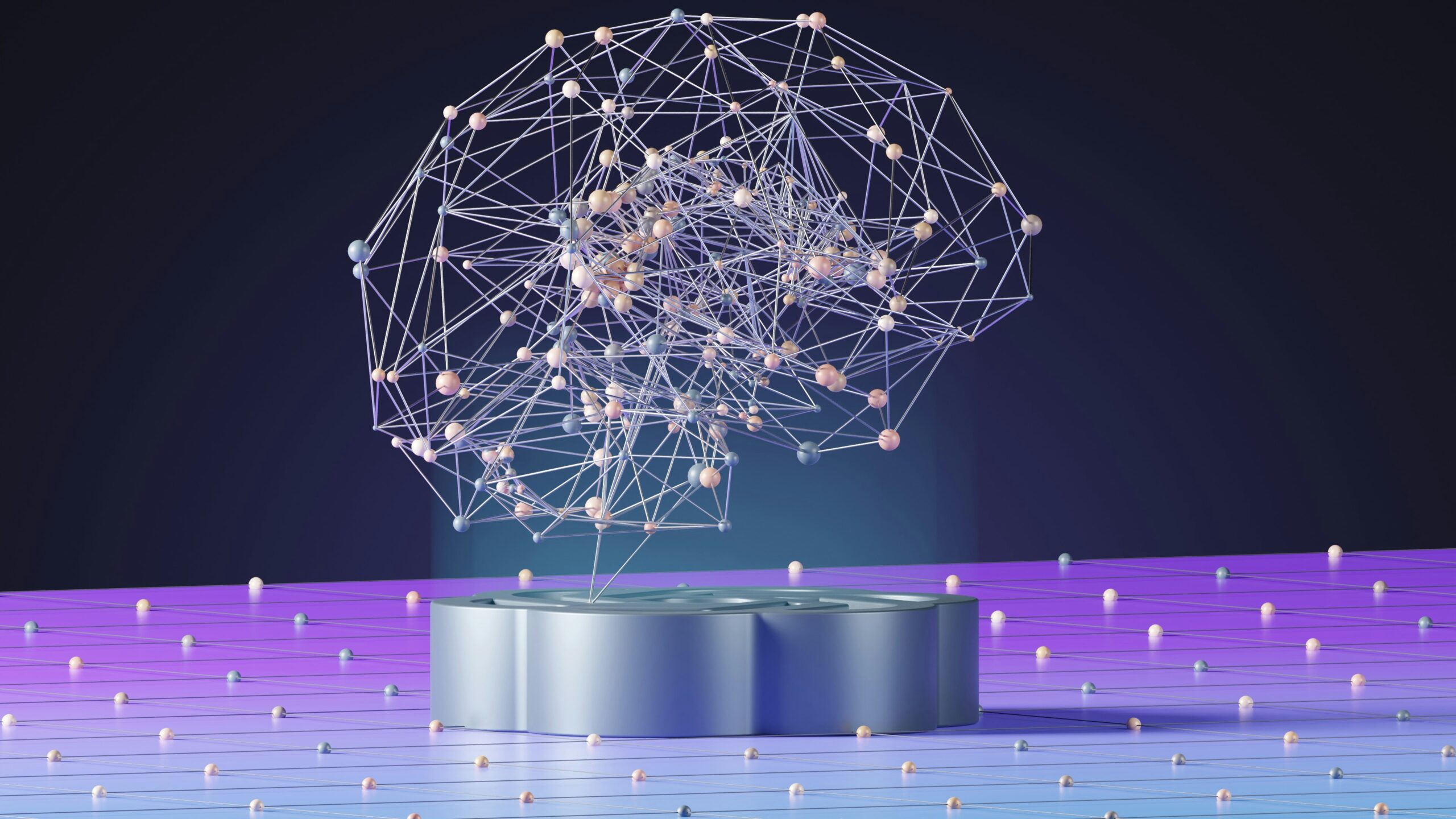
As we move deeper into 2026, the structural capabilities of developer automation tools are advancing rapidly. We are currently experiencing a profound paradigm shift. Classic code generators are evolving into fully agentic execution engines. Early iterations of software automation required developers to input short, micro-level prompts. Today, next-generation AI code assistants handle macroscopic feature requests completely independently.
A lead developer can simply supply a comprehensive feature request ticket to the agentic environment. The autonomous system analyzes the existing application framework. It maps out a multi-directory execution plan. Then, it creates the necessary files and executes integrated verification tests inside a secure sandbox container. This level of automation shifts the human developer’s role. Engineers change from manual code typewriters to analytical systems directors who authorize automated deployments.
Establishing a Harmonious Developer-AI Collaborative Framework
The emergence of automated software engineering systems often sparks intense debates. Professionals question the future necessity of human programming experts. However, recent industry data shows a different trend. The most successful technological brands foster deep collaboration between human engineers and smart code generation architectures.
Artificial intelligence excels at lightning-fast pattern replication. It handles complex text compilation and mathematical calculations effortlessly. However, human developers supply the necessary emotional intelligence. They provide crucial user experience empathy and high-level strategic alignment that defines a truly remarkable digital product.
Strategic Frameworks for Implementing AI Code Assistants Safely
The operational benefits of modern development automation software are undeniable. However, enterprise deployment requires a balanced, security-focused strategy. Implementing raw public models without strict operational boundaries introduces severe risks. It can lead to intellectual property exposures and compliance violations. To safely maximize the utility of corporate AI code assistants, engineering executives must build clear integration frameworks.
First, corporations must choose enterprise-grade systems that guarantee strict input data isolation. This configuration ensures that your private, proprietary codebase is never compiled into public training data sets. It keeps your competitive intellectual property fully secure. Second, teams should set up automated licensing filters within their local environments. These compliance blocks prevent the software from inadvertently outputting copyrighted open-source code blocks. Ultimately, this safeguards your brand from future legal complications.
Balancing Machine Automation with Mandatory Human Code Reviews
The final pillar of a resilient development pipeline is maintaining a strict policy of human oversight. No matter how advanced corporate AI code assistants become, they remain predictive algorithmic tools. They are always capable of producing unexpected logical variations. Establishing a mandatory rule where every automated pull request undergoes human code review ensures absolute stability. By merging machine speed with human evaluation, your company can release software much faster.
Overcoming Compliance Obstacles in Corporate Automation Deployments
Governance policies are becoming more stringent across the tech industry. Corporate legal teams frequently flag potential compliance issues associated with automated programming software. The primary concern remains source code attribution. Teams must verify that machine-generated outputs do not cross ethical code lines. By utilizing private AI code assistants built with traceable algorithms, enterprises can easily audit every single code update.
Moreover, security professionals must establish internal protocols. They must govern how deep-level network configuration commands are executed. Granting unrestricted authorization to remote environments poses an infrastructure hazard. Enforcing a zero-trust network protocol ensures that your automated pipelines run within safe sandboxes. This practice prevents accidental permission escalations while maximizing machine efficiency.
Embracing the Next Generation of Automated Software Development
The digital marketplace of 2026 demands relentless innovation, speed, and absolute software reliability. Relying entirely on manual, legacy development processes is no longer a viable business path. Companies looking to claim market leadership must modernize. Integrating advanced AI code assistants into your daily engineering operations represents a profound strategic transformation. It multiplies development capacity, removes technical debt, and protects application data integrity.
By selecting the right enterprise tools, you can confidently navigate this technological revolution. Ensure you establish strict data isolation policies and maintain human-centered code validation workflows. The future of software engineering belongs to teams that harmonize machine logic with human creativity. Step into the next generation of business technology today by deploying intelligent development tools to scale your platform smoothly and efficiently.
Explore the complete list of modern engineering tools and secure your system architectures today:
Read the full masterclass on AI Code Assistants in Software Development
Final Thoughts on Automated Engineering
The transition toward automated development is moving at an incredible pace. Engineering teams must adapt to stay relevant in the digital economy.
Implementing these tools is no longer about replacing human intelligence. It is about amplifying human capabilities to build scalable applications faster. By establishing clear guardrails, your business can confidently scale its software production infrastructure securely.
Frequently Asked Questions (FAQs)
Q1: Can public AI code assistants steal my proprietary source code?
Solution: Yes, if you use standard free versions, your inputs can be compiled into public training datasets. To prevent data leaks, enterprises must strictly deploy premium enterprise-grade systems. These corporate systems guarantee absolute input data isolation. This ensures your code remains confidential and private.
Q2: Do machine-generated code blocks violate open-source licensing laws?
Solution: Automated developer software can occasionally output snippets that match copyrighted open-source frameworks. The solution is to activate built-in licensing filters within your development environment. These compliance blocks automatically scan and restrict any copyrighted text from appearing in your workspace.
Q3: Will the rise of developer automation replace human software engineers?
Solution: No, artificial intelligence cannot replicate high-level human strategic planning and user experience empathy. Instead of replacing creators, these automation systems shift the engineer’s daily role. Developers evolve into analytical systems directors who manage, audit, and authorize machine-generated deployments.
Q4: How do automated programming systems handle legacy code refactoring?
Solution: Modern programming models perform contextual analysis across entire directory repositories concurrently. They automatically scan stable applications to find deprecated syntax. Then, the system recommends secure, cloud-native updates and writes clean API integration layers to modernize older structures smoothly.
Q5: What is the best method to maintain security in an automated pipeline?
Solution: Granting unrestricted access to automation tools poses severe operational hazards. Engineering leads must enforce strict zero-trust network protocols. Additionally, companies must mandate a policy where every automated pull request undergoes human code review before pushing updates to production environments.



Pingback: 10 Best AI QA Testing Tools in 2026 | Enterprise Guide
Pingback: Best AI-Native Software Delivery Lifecycle Tools in 2026