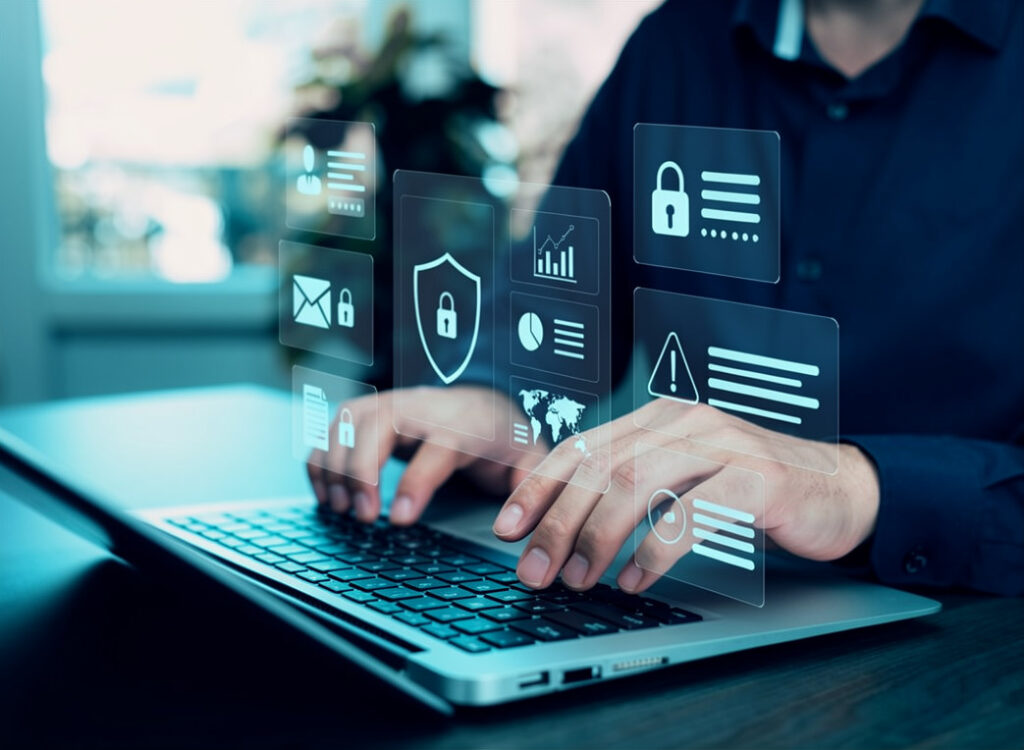

Enforcing tight cybersecurity for remote teams is the most critical operational foundation that modern digital startups and fast-growing businesses must establish to survive in 2026.
As corporate structures aggressively pivot away from physical office hubs, managing scattered cloud networks across dozens of unconfigured home internet setups introduces severe security weak points.
Without a highly centralized data protection framework shielding your operational data streams, confidential startup documents and internal user folders remain constantly exposed to dangerous corporate threats.
The transition toward flexible work-from-home employment packages has completely eliminated the traditional perimeter defenses of a physical business headquarters.
Clever cybercriminals understand that standard home Wi-Fi routers are significantly easier to breach than hardened corporate firewalls.
Because your staff members are accessing sensitive company pipelines from various geographical locations, deploying smart cloud safety mechanisms transforms from an optional IT upgrade into an immediate organizational survival necessity.
Distributed work models demand a complete overhaul of how startup managers evaluate their current digital assets.
Sticking to simple outdated desktop antivirus tools while completely ignoring live background data transmissions creates a false sense of security that eventually leads to catastrophic data leaks.
To sustain a highly resilient digital presence, corporate founders must introduce robust access rules that lock down proprietary databases and protect intellectual property from modern automated ransomware operations.
The Growing Risks of Neglecting Cybersecurity for Remote Teams
Before implementing any premium third-party software tools, it is crucial to analyze the exact structural weak points that threaten a decentralized business technology network.
Most digital data breaches do not occur due to a massive software provider failure they are triggered by basic human mistakes and poorly configured local hardware devices.
When remote employees download unencrypted business development plans onto personal devices, your company boundaries vanish instantly.
Executing an effective framework for cybersecurity for remote teams requires tracking three massive infrastructure vulnerability points across your distributed workforce:
- Unprotected Residential Routers: Standard domestic internet routers completely lack enterprise-grade monitoring systems, allowing close-range bad actors to intercept unsecured text files effortlessly.
- Advanced Phishing Funnels: Sophisticated social engineering scams routinely drop deceptive emails targeting distracted remote workers to steal critical administrative cloud dashboard logins.
- Lazy Password Sharing Schemes: Utilizing identical weak credentials across multiple internal business tools ensures that one minor data leak destroys your entire client database framework.
Core Actionable Strategies to Protect Startup Cloud Databases
Building a top-class defensive wall does not mean you have to overload your growing startup operations with overly complicated software programs.
A clean, minimalist approach to data management allows you to eliminate 90% of automated background attacks without slowing down daily team output speed.
To safeguard your distributed networks, small business owners must prioritize building clean security layers over paying for bulky corporate features they do not need.
The first step in setting up cybersecurity for remote teams is mandating the absolute use of secure corporate Virtual Private Networks (VPNs).
A professional VPN encrypts the complete connection between a remote worker’s computer and your internal central servers. This simple setup turns plain text transmissions into unreadable code, making sure that malicious external parties cannot peek into your ongoing commercial workflows.
Enforcing Multi-Factor Authentication (MFA) Across All Channels
Passwords alone are no longer enough to secure a distributed workforce. To ensure top-tier cybersecurity for remote teams, small business owners must enforce strict Multi-Factor Authentication (MFA) on every single cloud account, email server and database platform.
MFA adds an extra layer of defense, requiring users to verify their identity via a smartphone app or security key before gaining entry.
Even if a hacker steals an employee’s password through a clever email funnel, they cannot access your startup network without the physical verification device.
Implementing this rule across your digital environment is highly critical for scaling a secure small business data protection plan and protecting customer files from illegal access.
Essential Tools to Prevent Cyber Attacks on Startups
To implement an elite defense plan without building a massive IT team, you need to arm your staff with the right software applications.
Sticking to automated applications reduces human management time and allows your startup to block external threats around the clock. Here is the foundational checklist of remote work security tools you should deploy today:

- Centralized Password Managers: Platforms like 1Password allow remote staff to store, generate and share highly complex corporate credentials securely without writing them on paper notes.
- Cloud-Based Endpoint Protection: Modern automated antivirus systems monitor live background activities on remote computers to block malicious files instantly.
- Automated Data Backup Software: Cloud software that constantly syncs your company files ensures you can recover operational systems immediately during unexpected ransomware spikes.
Establishing a Secure Work From Home Policy Framework
Software applications alone cannot completely eliminate digital dangers your human workforce must understand basic data safety habits.
Drafting a comprehensive and mandatory secure work from home policy document sets clear operational boundaries for your employees, making sure they treat corporate data with extreme care.
Your policy manual should strictly forbid staff members from using public coffee shop Wi-Fi networks without an active corporate VPN connection. Public connections are prime targets for intercepting live text data streams.
Furthermore, establish strict limits against downloading unverified third-party software programs onto devices that hold confidential client folders or core product databases.
Investing time in regular team training sessions helps build a strong human firewall. When a distributed workforce masters how to spot a fake phishing link your complete cybersecurity for remote teams framework strengthens naturally, ensuring long-term operational health and zero financial leakages.
Strategic Framework: Continuous Monitoring and Long-Term Protection

Deploying standalone security applications is only half the battle maintaining a continuous monitoring system is where real protection is secured. Startups cannot afford to implement a static defense model and ignore background activities.
Hackers constantly change their tactics which means that executing cybersecurity for remote teams requires regular internal system audits, patch updates and database cleaning metrics to stay safe.
Make sure your operational dashboard logs all user login locations and alerts you whenever an unverified device attempts to download internal financial reports. Standardizing these background tracking checks keeps your digital environment protected from invisible risks.
This vigilant approach ensures that your deep small business data protection plan successfully stops data leaks before they damage your corporate growth.
Maximizing the Value of Remote Work Security Tools
To extract the absolute highest return on investment from your software environment, your management team must pick unified networks that talk to each other cleanly. Sticking to scattered applications creates major operational blind spots.
When you combine your endpoint antivirus software with a secure cloud backup platform, you build a top-class ecosystem that runs smoothly without human intervention.
Furthermore, regular policy updates are critical to prevent cyber attacks on startups. Spend at least one hour every quarter reviewing your data storage rules, deleting outdated staff access credentials and retraining new employees.
Keeping your virtual workspace lean ensures that your cybersecurity for remote teams remains highly resilient against modern social engineering threats.
Conclusion: Building a Resilient Remote Workforce for 2026
In the modern corporate landscape, prioritizing robust cybersecurity for remote teams is no longer an optional IT cost it is a core foundational pillar of business technology. Relying on loose home internet connections and manual tracking systems will eventually cause expensive data breaches.
By enforcing multi-factor authentication, utilizing a secure corporate VPN and deploying automated remote work security tools you give your business the ultimate framework to defeat global hackers.
Take your time to analyze your infrastructure flaws, train your employees properly and pick security protocols that adapt naturally to your distributed workflows.
Once your remote workforce embraces these safe data habits, your security errors will drop to zero and your digital assets will scale predictably. The right blueprint for cybersecurity for remote teams is right here—integrate it today and protect your scaling startup machine.
Frequently Asked Questions
Q1. Why is standard home Wi-Fi a major threat to cybersecurity for remote teams?
Ans. Standard residential Wi-Fi networks completely lack enterprise-grade tracking firewalls, deep packet encryption and active network monitoring setups. This makes it incredibly easy for local attackers to capture unprotected corporate text files.
Enforcing strict cybersecurity for remote teams via encrypted corporate VPNs is essential to hide your operational workflows from external bad actor
Q2. Can small business data protection plans succeed without buying expensive enterprise software?
Ans. Yes, absolutely! Emerging businesses can easily build a powerful defense system using free or affordable tools like basic two-factor authentication apps, strong password managers and automated cloud backups.
Scaling a successful small business data protection model relies more on building continuous human data habits than spending thousands on bulky software subscriptions.
Q3. How do remote work security tools stop advanced email phishing scams?
Ans. Modern cloud-based remote work security tools use intelligent automated filters to scan incoming messages block dangerous links and flag suspicious sender domains before they reach employees.
Additionally, mandating multi-factor authentication ensures that even if an agent accidentally types their password into a fake phishing page hackers still cannot access your central cloud databases.
Q4. What are the most critical elements to include in a secure work from home policy?
Ans. A professional secure work from home document must strictly mandate the continuous use of corporate VPNs, forbid the downloading of unverified software onto company devices and require unique passwords for every corporate tool.
It should also outline clear incident reporting steps so remote staff can notify your IT department immediately if a security error occurs.
Q5. How can a startup master cybersecurity for remote teams without an in-house IT department?
Ans. Startups can manage everything smoothly by deploying automated self-managing cloud software that handles endpoint protection and data backups automatically in the background.
Standardizing these smart protocols allows you to execute reliable cybersecurity for remote teams, saving you the heavy monthly expense of recruiting specialized server engineers.



Pingback: Roxtesting1.com Products: What Buyers Should Know
Pingback: 5 Deepfake Simulation Campaigns to Stop Fatal Remote Hacks